
Nasal Valve Incompetence
What Is Nasal Valve Incompetence?
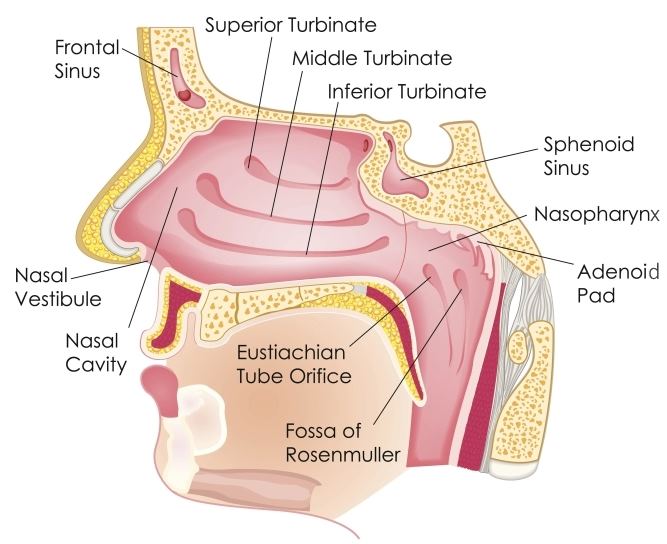
The nasal valve is the narrowest part of the nasal airway and is responsible for regulating the amount of air that flows through your nose. Located just inside the nostrils, this small area creates the greatest resistance to airflow. Because of its important role in breathing, even a slight narrowing or weakening of the nasal valve can make it difficult to breathe comfortably through your nose.
Nasal valve incompetence, also known as **nasal valve collapse**, occurs when the tissues and cartilage supporting this area become weakened or narrowed, allowing the nasal passage to partially collapse during breathing. As a result, airflow is reduced and patients often experience chronic nasal obstruction.
This condition can develop for a variety of reasons, including:
- Previous nasal trauma or a broken nose
- Prior nasal or sinus surgery
- Aging and weakening of the nasal cartilage
- Congenitally narrow nasal anatomy
- Scarring from previous injuries or procedures
- Weak or thin nasal sidewall cartilage
Many patients have no history of trauma or surgery and simply develop symptoms as the supporting structures of the nose weaken over time.
Symptoms of Nasal Valve Incompetence
Symptoms may include:
- Difficulty breathing through one or both nostrils
- Persistent nasal congestion despite allergy treatment
- Feeling that the nose “collapses” during deep inhalation
- Difficulty breathing during exercise or physical activity
- Mouth breathing, especially while sleeping
- Snoring or restless sleep
- A reduced quality of life due to chronic nasal obstruction
Many people notice their breathing improves when they gently pull outward on their cheek or wear adhesive nasal strips, such as Breathe Right® strips. This temporary improvement often indicates that the nasal valve is the source of the obstruction.
Diagnosing Nasal Valve Incompetence
Nasal valve collapse is primarily diagnosed through a thorough physical examination by an experienced ENT specialist. Dr. Kimi Dart carefully evaluates both the internal and external structures of the nose while assessing airflow and identifying areas of weakness or collapse.
One commonly used examination is the **Cottle maneuver**, in which gentle outward support of the cheek temporarily widens the nasal valve. If breathing improves significantly during this test, nasal valve dysfunction is likely contributing to the obstruction.
Although CT scans and other imaging studies may be helpful when evaluating sinus disease, they often do not adequately demonstrate nasal valve collapse. A detailed physical examination remains the most reliable method for diagnosing this condition.
Repairing the Nasal Valve
Repairing the nasal valve is a highly individualized procedure because every patient’s anatomy and the cause of the collapse are unique. During your consultation, Dr. Kimi Dart will determine the precise location of the obstruction and recommend the surgical technique best suited to restore normal nasal airflow.
The goal of nasal valve repair is to strengthen the structural support of the nose while preserving its natural appearance whenever possible. Depending on the severity and location of the collapse, several techniques may be used to reinforce the nasal valve and prevent it from collapsing during breathing.
In many cases, cartilage grafts are used to rebuild and support the weakened portions of the nasal valve. Cartilage is most commonly obtained from the nasal septum. When additional support is required, cartilage may also be taken from the ear. The cartilage is carefully shaped and positioned to improve the stability of the nasal sidewall and maintain an open airway during both normal and deep breathing.
Some patients also benefit from reshaping or repositioning portions of the nasal cartilage or removing small amounts of excess tissue that contribute to obstruction. When multiple conditions are present, nasal valve repair is often performed together with a septoplasty, turbinate reduction, or other nasal procedures to provide the greatest improvement in breathing.
Recovery After Nasal Valve Repair
Recovery from nasal valve repair is generally longer than recovery from a septoplasty alone because the procedure involves reconstruction of the structural framework of the nose.
Most patients experience swelling, nasal congestion, and mild discomfort during the first one to two weeks. While many individuals notice improved airflow shortly after surgery, swelling continues to decrease gradually over the following weeks and months. Final healing may take several months as the tissues soften and the reconstructed cartilage fully stabilizes.
During recovery, patients should follow all post-operative instructions carefully, including limiting strenuous activity, protecting the nose from injury, and attending scheduled follow-up appointments. These visits allow Dr. Dart to monitor healing and ensure the best possible long-term outcome.
Expert Evaluation for Nasal Valve Collapse in Lake Jackson, TX
If you have chronic nasal congestion that does not improve with allergy medications or notice that your breathing becomes worse during exercise, sleeping, or deep inhalation, you may be experiencing nasal valve incompetence rather than allergies or a deviated septum.
Dr. Kimi Dart provides comprehensive evaluation and treatment for nasal valve collapse and other causes of nasal obstruction. By identifying the underlying cause of your breathing difficulty and developing a personalized treatment plan, Dr. Dart can help restore comfortable nasal breathing and improve your overall quality of life.