
Deviated Septum & Septoplasty in Lake Jackson, TX
Breathe Easier with Expert Septoplasty and Nasal Obstruction Care
A deviated septum is one of the most common causes of chronic nasal obstruction and difficulty breathing through the nose. If you frequently feel congested on one side, experience recurring sinus infections, or have trouble breathing while sleeping, a deviated septum may be the underlying cause.
At Dr. Kimi Dart’s practice in Lake Jackson, Texas, we provide comprehensive evaluation and treatment for deviated septum and other structural causes of nasal obstruction. When conservative treatments are no longer effective, septoplasty can help restore normal airflow and improve your quality of life.
What Is a Deviated Septum?
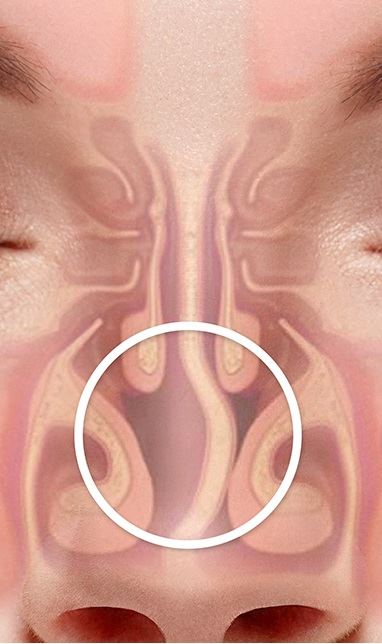
The nasal septum is the thin wall of cartilage and bone that separates the right and left nasal passages. Ideally, the septum is positioned near the center of the nose, allowing air to flow freely through both nostrils.
A deviated septum occurs when this wall is displaced to one side, narrowing one or both nasal passages. In many cases, the deviation becomes severe enough to interfere with normal breathing.
While many people have a mild septal deviation, significant deviations can lead to chronic symptoms that affect daily activities and sleep.
Symptoms of a Deviated Septum
A deviated septum may cause:
- Difficulty breathing through one or both nostrils
- Chronic nasal congestion
- Frequent sinus infections
- Facial pressure or sinus pain
- Nosebleeds
- Post-nasal drainage
- Snoring
- Poor sleep quality
- Headaches
- Noisy breathing
Symptoms often become more noticeable during allergy season or when a cold causes additional swelling inside the nose.
What Causes a Deviated Septum?
Most deviated septums develop following an injury to the nose. Common causes include:
- Sports injuries
- Falls
- Motor vehicle accidents
- Childhood trauma
- Nasal fractures
Many patients do not remember the injury because it occurred years earlier.
Some individuals are born with a deviated septum (congenital deviation). In these cases, the condition may develop during fetal growth or result from pressure during childbirth. Congenital deviations may also occur alongside other facial differences, such as cleft lip or cleft palate.
How Is a Deviated Septum Diagnosed?
Dr. Kimi Dart performs a comprehensive evaluation to determine whether your symptoms are caused by a deviated septum or another nasal condition.
Your evaluation may include:
- Detailed medical history
- Physical examination
- Nasal endoscopy
- Allergy evaluation
- CT scan when indicated
- Assessment for nasal valve collapse or sinus disease
Because several conditions can contribute to nasal obstruction, identifying all contributing factors is essential before recommending treatment.
Septoplasty: Surgery to Repair a Deviated Septum
Septoplasty is the surgical procedure used to straighten a deviated septum and improve airflow through the nose.
The procedure is performed entirely through the nostrils, so no external incisions or visible scars are required.
During surgery, Dr. Dart carefully lifts the lining of the septum to access the underlying cartilage and bone. Portions causing the obstruction are reshaped, repositioned, or removed while preserving the structural support of the nose.
The goal of septoplasty is to restore balanced airflow through both nasal passages and improve breathing.
Additional Procedures That May Be Performed
Some patients have more than one cause of nasal obstruction.
When appropriate, septoplasty may be combined with procedures such as:
- Inferior turbinate reduction
- Nasal valve repair
- Functional Endoscopic Sinus Surgery (FESS)
- Balloon Sinuplasty (in selected patients)
- Nasal polyp removal
Combining procedures often provides the best long-term improvement in breathing and sinus health.
Recovery After Septoplasty
Septoplasty is usually performed as an outpatient procedure, allowing patients to return home the same day.
Recovery generally includes:
- About one week of rest
- Two weeks of light activity
- Mild congestion during healing
- Saline nasal rinses
- Follow-up appointments to monitor healing
Most swelling gradually improves over 4 to 6 weeks, although breathing often begins to improve much sooner.
Dr. Dart will provide detailed postoperative instructions to help ensure a smooth recovery and the best possible outcome.
Deviated Septum Treatment in Lake Jackson, Texas
If chronic nasal congestion, difficulty breathing, or recurrent sinus infections are affecting your daily life, Dr. Kimi Dart offers expert diagnosis and treatment for patients throughout Lake Jackson, Clute, Angleton, Freeport, Richwood, Brazoria, and surrounding communities.
Whether your symptoms can be managed with medical treatment or require septoplasty, we are committed to helping you breathe more comfortably and enjoy lasting relief.
Schedule an appointment today to determine whether a deviated septum is contributing to your symptoms.